
How To Sell Your Fire Damaged House Fast In Louisiana For Cash

Selling Fire-Damaged House Louisiana

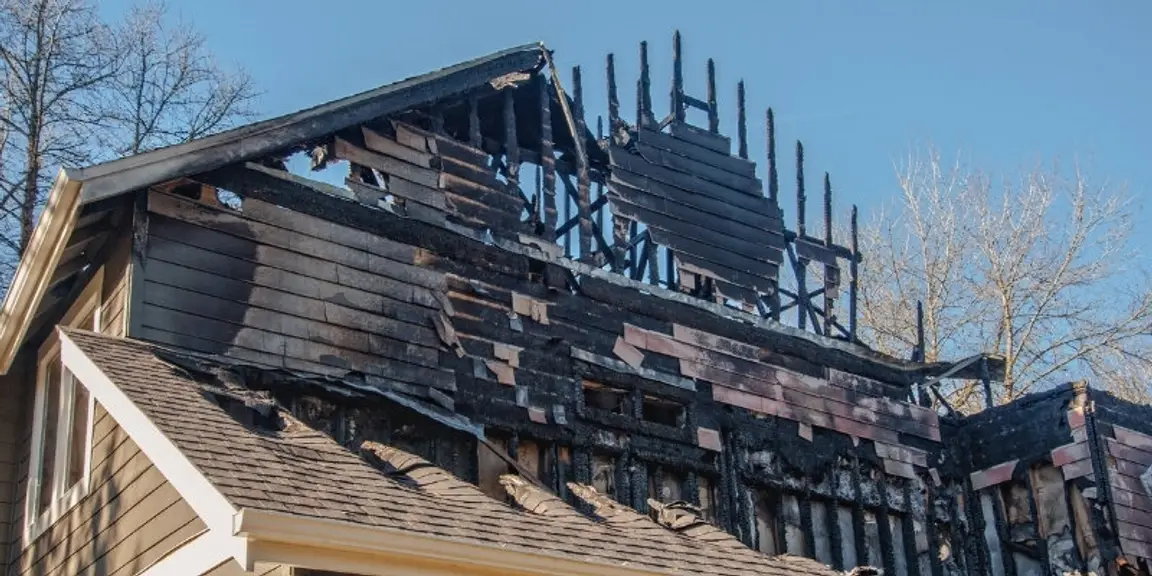
Walking through a fire-damaged house feels surreal. Smoke lingers in every corner, charred walls tell their story, and you’re left wondering what comes next. If you’re dealing with fire damage to a Louisiana property, you’re not alone, and you have more options than most people realize. The path forward isn’t always obvious in the immediate aftermath, but with the right information and a clear head, most homeowners find a workable solution faster than they expected.

Louisiana’s unique environment makes selling fire-damaged properties especially complex. Hurricane seasons, persistent flood risks, and a strained insurance market all compound an already difficult situation. Homeowners here face challenges that simply don’t exist in other states, from stringent post-Katrina building codes to a property insurance market that has seen multiple major carriers exit the state entirely. This guide walks you through everything you need to know: your legal obligations, how to assess damage accurately, how to price your property, and which selling path makes the most sense for your specific circumstances.

How to Sell a Fire-Damaged House in Louisiana: Your Three Main Options

How to sell fire-damaged house Louisiana

Before diving into specifics, it helps to understand the broad options available, because the right choice looks very different depending on your financial position, timeline, and the extent of the damage.

Sell as-is to a cash buyer. Investors and cash-buyer companies specialize in distressed properties and can typically close in two to three weeks. You’ll accept a discount below market value, but you eliminate repair costs, contractor delays, permitting headaches, and months of financial and emotional uncertainty. For many homeowners, particularly those carrying mortgage payments on an unlivable property, the speed and simplicity of this option outweigh the lower sale price.

Make strategic repairs, then sell. Partial or full restoration expands your buyer pool significantly and can recover more of the property’s value, but it takes time. Three to six months for major work is a realistic estimate, and the process carries real execution risk. Contractors miss deadlines. Material costs change. Inspections uncover hidden problems. Anyone who has managed a renovation project knows that the final cost almost always exceeds the original estimate.

Rebuild using insurance proceeds, then sell. If your coverage is strong and the location justifies the investment, rebuilding before selling can maximize your eventual return. This path takes the longest and requires the most active management. Still, it sometimes makes financial sense in high-value areas where fully restored properties command prices that justify the effort and waiting period.

The right choice depends on your timeline, financial position, insurance coverage, and the property’s location. A homeowner with strong insurance coverage and a property in Uptown New Orleans is in a very different position than someone carrying minimal coverage on a rural property outside Shreveport. Understanding where you sit before committing to a path saves time and prevents costly mistakes.

Louisiana Fire Damage Disclosure Laws Every Seller Must Know

Louisiana law requires sellers to disclose fire damage to potential buyers, full stop. This includes the extent of damage, what repairs were made, any ongoing issues, and the history of insurance claims related to the property. Attempting to conceal known damage exposes you to serious legal liability, and Louisiana courts treat disclosure violations harshly. The penalties can include rescission of the sale, damages, and attorney’s fees.

The practical advice here is counterintuitive: honest, thorough disclosure actually speeds up sales rather than slowing them down. Serious buyers, particularly investors, need complete information to make fast decisions. They are evaluating repair costs and potential returns, and they can only do that accurately with accurate information. Surprises discovered during due diligence kill a sale, often at the worst possible moment when you’ve already invested time and emotional energy into a pending sale. Upfront documentation builds trust and keeps transactions on track.

Keep records of everything from the day of the fire forward: photographs and video of the initial damage before any cleanup begins, all contractor estimates whether you accepted them or not, every piece of insurance correspondence, proof of any completed repair work, and any engineering or environmental reports. This paper trail matters whether you’re selling as-is or after restoration, and it becomes especially important if a buyer’s lender or attorney requests documentation of the property’s history.

How Louisiana Insurance Laws Protect Fire-Damaged Homeowners

Louisiana’s insurance laws are among the most homeowner-favorable in the country, but those protections only work if you know they exist and invoke them correctly.

The first thing to understand is the claims-handling timeline under La. R.S. 22:1892 requires insurers to begin adjusting a property damage claim within 14 days of notification. It imposes statutory penalties for unreasonable delays or denials, including interest on amounts owed and attorney’s fees in bad-faith cases. File your claim immediately after the fire, document every phone call and email with dates and content, and don’t accept the first settlement offer without obtaining your own independent contractor estimates for comparison.

Louisiana’s Valued Policy Law (La. R.S. 22:1318) is another protection worth understanding before you negotiate. It requires that if an insurer placed a specific value on your property and used it to calculate your premium, they must pay that full amount in the event of a total loss. This is one of the strongest homeowner protections in the state’s insurance code, and it can substantially affect your settlement. Not every state has this provision, and many Louisiana homeowners don’t realize it exists until they need it most.

Two additional points frequently cost homeowners money simply because they don’t know how to ask. First, Louisiana law requires insurers to include the general contractor’s overhead and profit in settlement payments when a general contractor’s involvement is reasonably foreseeable. 

This addition, typically 10 to 20 percent of the base repair estimate, is frequently omitted from initial offers, and adjusters don’t always volunteer the information. Second, many policies pay actual cash value first and release replacement cost funds only after repairs are completed and documented. If you’re selling rather than rebuilding, this depreciation structure creates cash flow complications that require careful planning well before you commit to a path.

How to Assess Fire Damage Before Selling Your Louisiana Home

Fire damage extends well beyond what’s visible to the untrained eye, and the gap between apparent damage and actual damage is where most sellers get into trouble with their pricing and planning.

A licensed structural engineer can identify compromised beams, heat-weakened connections, and foundation problems that aren’t obvious, typically for $500 to $1,500. This inspection is non-negotiable before committing to a price or a repair plan. Smoke remediation is another major cost center: smoke penetrates HVAC systems, insulation, and wall cavities far more deeply than most people expect, and professional ozone treatment or thermal fogging runs $3,000 to $15,000, depending on home size and exposure duration.

Firefighting water creates its own category of problems that can be just as damaging as the fire itself over time. In Louisiana’s humid climate, mold growth is nearly inevitable if moisture isn’t properly dried within 48 hours of the event. By the time a homeowner is dealing with insurance paperwork and contractor calls, that window has often passed. Mold remediation costs typically range from $2,000 to $10,000, and in severe cases involving structural penetration, can go considerably higher. Electrical systems require a full evaluation as well, since heat can damage wiring insulation, creating invisible but serious fire hazards. Full rewiring after significant fires commonly costs $8,000 to $20,000, and some lenders and insurers require certification before the property can be financed or covered again.

Foundation issues deserve particular attention in Louisiana. Extreme heat can compromise concrete integrity, and the large volumes of water used in firefighting can stress the clay-rich soils that much of the state is built on. Foundation repairs here are expensive, sometimes reaching $15,000 to $30,000 for major issues, and they take time to properly assess because some settling and shifting only becomes apparent weeks after the event. Getting a foundation assessment early, even if results take time, ensures there are no late-breaking surprises when you’re already deep into negotiations with a buyer.

How to Price a Fire-Damaged House in Louisiana Accurately

Can I sell house with fire damage Louisiana

Accurate pricing requires two inputs that must be treated separately before being combined: current comparable sales for undamaged properties in your immediate area and honest, professionally sourced repair estimates.

The formula investors commonly apply is straightforward in concept: take the After-Repair Value of the property, subtract the Estimated Repair Costs, then subtract an Investor Profit Margin of 20 to 30 percent, and the result is the likely offer price. If similar homes in your neighborhood sell for $200,000 and credible repair estimates come in at $50,000, expect offers in the $110,000 to $130,000 range. Sellers who understand this math going in negotiate more effectively and waste less time on offers that were never realistic to begin with.

Location carries enormous weight in Louisiana’s fire-damaged property market. A damaged property in Metairie or the Garden District commands a meaningfully higher price than comparable damage in a rural parish, because urban markets have deeper and more active investor pools, faster project timelines, and stronger after-repair values to anchor the math. Rural properties aren’t unsellable, but they require patience and often deeper discounts to attract buyers willing to take on the added logistics of remote renovation work.

Land value sets the absolute floor for any sale. Even a property that represents a total structural loss retains its land value, which in Louisiana typically represents 20 to 30 percent of total property value, depending on location. No offer should fall below a realistic land valuation, and sellers who understand this avoid the mistake of accepting offers that don’t even reflect what the dirt beneath the house is worth.

Professional appraisals for damaged properties, which run $400 to $800, provide defensible valuations that hold up in insurance negotiations, legal proceedings, and sale transactions. They’re worth the cost, particularly in situations where the insurance company’s valuation and your own sense of the property’s value are far apart.

Selling Fire-Damaged Property As-Is vs. Restoring First: A Cost Comparison

Full restoration typically costs $50,000 to $200,000 and takes three to six months under normal circumstances, longer if permitting is complicated or contractors are backlogged. It makes clear financial sense when insurance covers the majority of costs, when the property is in a location where fully restored homes command strong prices, or when you have reasons beyond pure economics for preserving the structure.

Selling as-is makes sense in different circumstances: when time is the primary constraint, when repair costs are disproportionately high relative to the property’s after-repair value, or when the cumulative holding costs of a lengthy restoration would erode most of the potential gain. Carrying a mortgage on an unlivable property while also managing contractors, permits, and insurance negotiations is genuinely exhausting and expensive. Mortgage payments, property taxes, insurance on a vacant structure, and basic utilities add up to thousands of dollars per month in costs that never stop, even when the renovation does.

A middle path that often gets overlooked involves targeted repairs focused specifically on safety issues and smoke odor elimination, without committing to full renovation. Addressing electrical hazards, securing the structure against weather intrusion, and professionally treating smoke odor can expand the buyer pool from pure cash investors to include a wider range of purchasers, all without the timeline and cost of full restoration. This approach works particularly well in Louisiana’s active investor market, where buyers are accustomed to taking on properties in various states of repair and can evaluate a partially remediated home more confidently than one that has been untouched.

Louisiana Building Codes That Affect Fire-Damaged Home Repairs and Sales

Post-Katrina building codes added meaningful requirements to Louisiana’s construction landscape, directly affecting fire-damage repair and restoration projects. Rebuilding more than 50 percent of a structure’s assessed value can trigger requirements to bring the entire property up to current code standards, which include wind-resistance specifications, impact-resistant windows in certain coastal and near-coastal areas, and elevated electrical systems in flood zones. These upgrades add real cost to restoration projects and need to be factored into repair estimates from the start.

Permit requirements vary significantly by parish, and this variation matters practically. Orleans Parish, Jefferson Parish, and East Baton Rouge operate under different thresholds, timelines, and inspection processes. What requires a permit in one parish may not in another, and the timeline for permit approval varies enough to affect project scheduling and sale timelines meaningfully. Properties in historic districts face an additional layer of oversight: the French Quarter, Garden District, and other historically designated areas have restrictions on materials and construction methods that can add substantial cost to any restoration work.

Flood zone designation adds another dimension to the building code question. Roughly 42 percent of Louisiana falls within designated flood risk zones. If your property is in one of those zones, fire damage repairs may trigger requirements for elevation or flood-resistant materials that wouldn’t apply in a non-flood zone. Out-of-state restoration companies often fail to account for these requirements in their initial estimates, which is why working with contractors who are deeply familiar with Louisiana’s regulatory landscape is so important.

How to Handle Title Issues and Find Cash Buyers for Fire-Damaged Louisiana Homes

Fire damage can create title complications that aren’t immediately apparent. Insurance claims sometimes produce mechanic’s liens or mortgage company claims against the property. Mortgage servicers may require documented repairs or lender approval before releasing their interest in an as-is sale. These issues don’t make properties unsellable, but they add steps and timelines that need to be understood up front.

A title search ordered early in the process identifies potential complications before they become deal-killers. Some issues take weeks to resolve, and discovering them during an active transaction can put pressure on you and cost you a buyer. Insurance settlement documents become part of the property’s permanent record, and serious buyers and their attorneys will want to confirm that all claims have been properly closed and that no outstanding encumbrances remain.

On the buyer side, the pool of fire-damaged properties in Louisiana is primarily made up of investors rather than traditional homebuyers, and reaching them efficiently requires strategies different from a standard listing. Working with a reputable company that buys houses in Louisiana is often the fastest and most straightforward path, because experienced local buyers understand renovation costs, permit landscapes, and resale values in ways that out-of-state buyers typically don’t. Real estate wholesalers who maintain active investor networks can move quickly, though they typically extract a margin for their role in the transaction. 

Online platforms like BiggerPockets and local investor groups on social media are legitimate supplemental channels that reach buyers not accessible through traditional MLS listings.

If working with a real estate agent, choosing one with demonstrated experience in distressed property sales and established investor relationships is essential. The agent who excels at marketing turnkey homes in a traditional subdivision is rarely the same person who knows which investors are actively looking for renovation projects in your specific market. For homeowners who want a direct, no-obligation path forward, the cash home buyers at Bertucci Investment Group in New Orleans, LA, offer free property evaluations and can typically close within weeks.

Tax Implications of Selling a Fire-Damaged Home in Louisiana

Selling house with fire damage for cash Louisiana

Insurance proceeds can affect your tax liability in ways that aren’t immediately obvious, and Louisiana homeowners face a few wrinkles that don’t always appear in general real estate tax guidance.

If insurance payments exceed your property’s adjusted cost basis, the difference may be subject to capital gains tax. The primary residence exclusion still applies if the home was your main residence for at least two of the past five years, allowing single filers to exclude up to $250,000 in gains and married couples filing jointly to exclude up to $500,000. For homeowners in appreciating markets like New Orleans or Baton Rouge, where property values have risen steadily over the past decade, this exclusion can eliminate tax liability on what might otherwise be a significant gain.

Casualty loss deductions may offset tax liability when insurance doesn’t cover all losses, but the documentation requirements are specific, and the rules have changed in recent years. Given Louisiana’s history with federally declared disasters, from hurricanes to flooding events, some homeowners may qualify for additional federal relief provisions that interact with casualty loss deductions in ways worth reviewing with a tax professional. 

Depreciation recapture applies to any seller who claimed rental deductions on the property prior to the fire, and the income is taxed at rates higher than those for standard long-term capital gains. A 1031 exchange can defer taxes if you’re reinvesting in like-kind property, though fire damage complicates both the valuation process and the strict timeline requirements that govern these exchanges. Given the complexity and the real money at stake, consulting a CPA with specific experience in Louisiana real estate and casualty loss situations before closing isn’t a precaution; it’s one of the most valuable investments you can make in the entire process.

Frequently Asked Questions

What Makes a Fire-Damaged House Nearly Impossible to Sell?

When repair costs exceed the property’s total value, including land, traditional sales become unworkable. Title disputes arising from insurance claims or properties in flood zones requiring costly elevation can also stall sales indefinitely. Even in severe cases, land value typically provides a floor.

How Should I Price a Fire-Damaged House?

Start with comparable sales for undamaged nearby properties. Subtract verified repair estimates, then subtract an investor’s profit margin of 20 to 30 percent. Get at least two independent contractor offer and consider a professional appraisal for documentation purposes.

When Is the Hardest Time to Sell a Fire-Damaged House in Louisiana?

December and January are slowest for traditional sales statewide. However, fire-damaged properties attract investors rather than seasonal homebuyers, so timing matters less. Hurricane season (June through November) can slow investor activity, as buyers factor in additional weather risk during renovation periods.

Does Termite Damage Affect Sales the Same Way as Fire Damage?

No. Termite damage is generally easier to transact. Buyers and lenders understand termite treatment costs, and financing is usually available after remediation. Fire damage affects entire structures, complicates insurance, and limits financing options in ways termite damage typically doesn’t.

Selling a fire-damaged property in Louisiana is genuinely complex, but it is manageable with accurate information and a realistic understanding of your options. The Bertucci Investment Group has helped dozens of Louisiana homeowners navigate exactly this situation, offering straightforward cash offers without the delays and complications of traditional sales. The most important steps are acting quickly before holding costs accumulate, documenting everything from the first day forward, and pricing the property based on real comparable data and honest repair estimates rather than hope. Whether you restore, sell as-is, or find a middle path, those fundamentals determine your outcome more than any other factor. If you’re ready to explore your options without pressure or obligation, contact us for a free evaluation. In Louisiana’s market, homeowners who move with information and intention almost always come out ahead of those who wait.


Get More Info On Options To Sell Your Home...

Selling a property in today's market can be confusing. Connect with us or submit your info below and we'll help guide you through your options.

Get Your No-obligation Cash Offer

Sell your house fast in any condition, with no agents, no repairs, and no hidden fees.

  • This field is for validation purposes and should be left unchanged.