
Selling a house in Louisiana? Get a fair cash offer from Bertucci Investment Group. 128 five-star reviews, BBB A+, 7-day close. Call (504) 920-4747 or get your cash offer now.
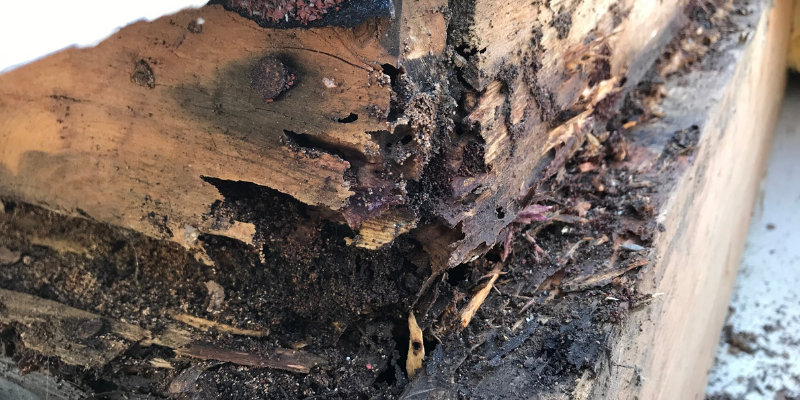
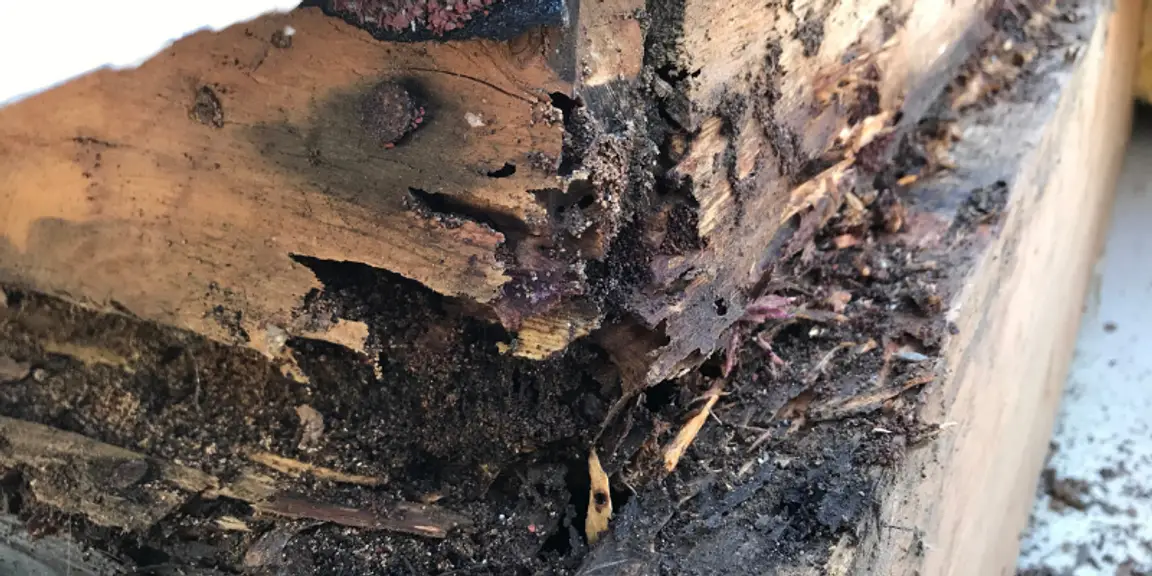
Found termites in your Louisiana home and worried about selling? You’re not alone. Louisiana is the most affected state for termite infestation in the United States, according to the Louisiana State University Agricultural Center. A 2010 LSU AgCenter estimate put the damage here at close to $500 million a year.
I’ve bought hundreds of homes across Louisiana, from the French Quarter in New Orleans to the older streets of Metairie and Slidell. Here’s the truth: termite damage doesn’t have to kill your sale. But you need to know your options and understand the process.
This guide walks you through everything. Legal requirements. Market realities. Smart strategies. Real numbers from today’s market.
Louisiana Termite Inspection Requirements Before Home Sale
You can’t hide termite damage in Louisiana. State law requires disclosure, and buyers expect inspections. Understanding the requirements protects you legally and helps set realistic expectations.
Licensed pest control companies must report all termite contracts, wood-destroying insect reports, and termite perimeter applications completed each month. Reports are due on or before the 10th of the month following the contract or application. This creates a paper trail that follows your property.
Smart sellers get their own inspection first. You control the timing and can address issues before listing. Waiting for the buyer’s inspection puts you in reactive mode.
WDI (Wood Destroying Insect) reports are standard in Louisiana real estate transactions. WDI reports are usually required anytime someone is buying, selling, or refinancing a property. Making sure the home you’re acquiring or moving away from is in good condition ensures there isn’t active pest activity around it.
The inspection covers accessible areas only. Readily accessible areas do not include areas concealed by walls, ceilings, floor coverings, furniture, appliances, equipment, or stored articles; crawl spaces and attics inaccessible due to openings too small to enter, the absence of permanent ladders or staircases, or undecked areas.
This limitation matters. Damage behind walls won’t show up unless there’s visible evidence. But don’t count on hidden damage staying hidden forever.
Termite Damage Assessment: Louisiana Real Estate Market Analysis
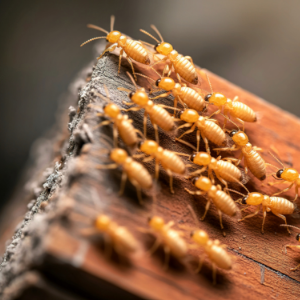
Pest control industry estimates put the hit to a home’s value with termite history at up to 20%. But Louisiana’s different. Termites are so common that the market has adapted to them.
I’ve seen homes with documented termite history sell at full asking price. The key is proper treatment and honest disclosure. Buyers appreciate transparency more than perfect conditions.
Severity matters more than existence. Minor damage to non-structural elements barely affects value. Major structural damage requires significant price adjustments or extensive repairs.
Subterranean termites are the most common termite species in Louisiana, living in colonies underground. They are known for creating extensive tunnel systems made of mud to reach food sources above ground. This species causes the most damage but responds well to modern treatment methods.
Formosan termites are the real concern. Formosan subterranean termites are aggressive, and their colonies run far larger than the native ones. That size is why they can chew through structural wood in a short stretch of time. Properties with Formosan damage face steeper price reductions.
Market conditions affect everything. In a seller’s market, termite damage matters less. In a buyer’s market, it becomes a major negotiation point.
Structural Damage Documentation: Termite-Infested Louisiana Homes
Proper documentation protects you and helps buyers understand the scope of damage. Professional assessments carry more weight than homeowner observations.
Structural engineers provide the most credible damage assessments. Their reports detail what’s compromised and what’s still sound. This information guides repair decisions and price negotiations.
Photographs tell the story visually. Before-and-after shots of damage and repairs help buyers see the full picture. Date-stamped photos prove when damage occurred and was addressed.
Treatment records matter too. A professional contract has to guarantee treatment that meets the state minimum specifications, provide at least one inspection of the accessible areas outside the home before the agreement runs out, and include a diagram of every structure it covers.
Keep everything organized. Buyers and their agents review these documents carefully. Missing paperwork raises questions about what else might be undisclosed.
Insurance claims create another paper trail. Even if claims were denied, the documentation shows you took the damage seriously and followed proper procedures.
Louisiana Home Value Impact From Formosan Termite Damage
Formosan termites are the most destructive structural pest in Louisiana, and they cause millions in damage each year across the state. Properties with Formosan damage face unique challenges.
These termites work faster than native species. A colony can consume significant structural wood in months, not years. Damage speed affects how buyers perceive risk.
Formosan termites are an invasive species. They arrived through ports like New Orleans and spread throughout Louisiana. Areas near shipping channels and waterways see higher infestation rates.
Formosan damage typically requires more extensive treatment. Traditional soil treatments may not be enough. Some properties need fumigation or heat treatment, which costs more and takes longer.
But here’s what most people don’t know: properly treated Formosan-damaged properties are often better protected than untreated properties. Modern treatment methods are highly effective against these termites.
Properties in New Orleans, Baton Rouge, and other major cities regularly deal with Formosan termites. Local buyers understand the issue, and many have experience with treatments.
Louisiana Real Estate Disclosure Laws: Termite Infestation History
Louisiana requires sellers to disclose known material defects. Termite damage qualifies. But the law is specific about what you must disclose.
In Louisiana, when a seller knows of a defect in the property but fails to disclose it, the seller is liable to the buyer. The keyword is “knows.” You can’t disclose what you genuinely don’t know.
But once you know about termite damage, you must disclose it. Getting an inspection creates knowledge. Seeing damage creates knowledge. Receiving treatment bills creates knowledge.
Disclosure doesn’t mean you can’t sell. It means you can’t hide problems. Honest disclosure often leads to better negotiations than buyers discovering issues during their inspection.
The disclosure form asks specific questions about pest damage and the treatments used. Answer honestly and completely. Partial disclosure creates more legal risk than full disclosure.
“As-is” sales still require disclosure. In an as-is sale with no warranties, a seller can still be held liable for damages if they had actual knowledge of hidden defects, failed to disclose them, and the buyer did not already know about them from a prior inspection.
Professional Termite Treatment Before House Sale: Louisiana Requirements
Treating active infestations before listing makes financial sense. Buyers pay more for treated properties than they discount for active problems.
Louisiana requires a damage repair warranty of at least $25,000 on pre-construction and new-construction termiticide contracts, and it stays exclusive to the property owner for five years. A contract on an existing home carries a shorter performance guarantee instead, so read what you are being offered.
Professional treatments come with warranties that transfer to new owners.
Treatment methods vary by termite species and the extent of damage. Subterranean termites typically require soil treatment around the foundation. Drywood termites may need localized treatments or fumigation.
Where subterranean termites turn up in a treated home, the state requires monitoring at least quarterly. Bait and monitoring stations have to surround the structure and sit no more than 20 feet apart wherever there is soil to put them in.
Monitoring is part of professional treatment. Ongoing monitoring reassures buyers that the problem is controlled. Many companies offer transferable monitoring agreements.
Treatment timing affects your sale strategy. Full soil treatment takes time to establish effectiveness. Spot treatments work faster but may not provide complete protection.
Choose licensed, reputable companies. The monthly state reporting every licensed company files creates a record you can check before you hire anyone. That reporting requirement ensures accountability.
Subterranean Termite Damage Repair Costs Louisiana Homeowners
Repair costs vary dramatically depending on the location and extent of the damage. I’ve seen repairs range from $500 for minor trim replacement to $50,000 for major structural work.
Foundation damage costs the most to repair. Subterranean termites attack sill plates and floor joists first. Replacing these structural elements requires temporary support and often foundation work.
Cosmetic damage costs less but still affects sale prices. Damaged trim, flooring, and drywall are visible to buyers. Even minor cosmetic damage suggests deeper problems to inexperienced buyers.
You might have to spend hundreds or even thousands of dollars. For example, localized treatments like microwaves might cost less than extensive treatments like heat or fumigation. Treatment costs are separate from repair costs.
Labor availability affects pricing. Louisiana’s construction industry stays busy with hurricane recovery and new development. Specialized termite damage repair may require waiting for qualified contractors.
Get multiple estimates for major repairs. Prices vary significantly between contractors. Some specialize in termite damage and work more efficiently.
Consider partial repairs for selling purposes. You don’t need to restore everything to perfect condition. Focus on structural safety and major cosmetic issues.
Termite Damage Insurance Claims: Louisiana Property Owners’ Rights

Homeowner’s insurance typically doesn’t cover termite damage. The serious structural damage to a home caused by a termite infestation is usually not covered by homeowners’ insurance, leaving Americans with a hefty bill. But understanding your policy helps avoid surprises.
Some policies cover sudden damage from termite treatment, such as water damage caused by treatment chemicals. Read your policy carefully or consult your agent.
Consider termite bonds for future protection. These aren’t insurance, but provide treatment and damage repair warranties. Many companies offer bonds that transfer to new owners.
Legal action against pest control companies is possible if they fail to honor warranties. Keep all treatment contracts and documentation. Louisiana law provides specific remedies for breach of warranty.
Some mortgage companies require termite bonds for properties in high-risk areas. This requirement affects your sale if buyers need financing.
Termite Damage Negotiation Strategies Louisiana Home Sellers
Smart negotiation starts before you list. Understanding your position helps you respond effectively to buyer demands.
Price your home, accounting for known damage. Overpricing forces larger concessions later. Realistic pricing attracts serious buyers who understand the realities of termites.
Offer treatment credits instead of price reductions when possible. Buyers prefer controlling the treatment process. Credits give them a choice while limiting your liability.
Bundle repairs with other seller concessions. Combining termite repairs with other buyer requests creates package deals that feel more valuable.
Professional estimates strengthen your negotiating position. When buyers request repairs, you can counter with actual contractor quotes rather than their estimates.
Consider selling to investors who buy as-is. We don’t require termite treatments or repairs before we buy, and neither do most cash buyers. This option eliminates the need for negotiation over termite issues.
Time limits on repair negotiations protect you from endless buyer demands. Set reasonable deadlines for repair decisions and stick to them.
Selling Termite-Damaged Property As-is Louisiana Market Options
As-is sales eliminate repair obligations but may reduce sale prices. The trade-off often makes financial sense, especially for extensive damage.
Cash buyers dominate the as-is market. They move faster and don’t require financing contingencies, so properties close in weeks rather than months.
Investor buyers understand termite damage costs and factor them into offers. Their offers may be lower than retail buyers’, but they’re more reliable.
As-is doesn’t mean “no disclosure.” You still must reveal known defects. But you’re not responsible for fixing them.
Marketing as-is properties requires different strategies. Emphasize location, bones of the house, and potential rather than current condition.
Price as-is properties aggressively. Lower prices attract more investors, creating competition that drives prices up.
Some traditional buyers consider as-is properties if priced appropriately. First-time investors often start with termite-damaged properties because they’re more affordable.
Cash Buyers for Termite-Damaged Houses Louisiana Properties
Cash buyers provide the fastest, most certain path to selling termite-damaged properties. They understand the issues and price accordingly.
Louisiana homes sold for a median of $265,083 in June 2026, up 1.2% from a year earlier, according to Redfin. Homes took a median of 59 days to sell, three days faster than the year before.
Redfin counted 3,442 Louisiana home sales in June 2026, a shade above the year before. A market moving at that pace still leaves plenty of room for cash buyers who can close quickly.
Cash buyers typically offer 60-80% of the retail value for damaged properties. The discount covers repair costs, profit margins, and risk. But you save time, repair costs, and carrying expenses.
Closing timelines are much shorter with cash buyers. Two to three weeks is typical versus 30 to 45 days for financed purchases, and we can close in as little as seven days when that is what you need. Faster closings reduce your holding costs.
No financing contingencies means fewer failed transactions. Cash buyers don’t depend on appraisals or loan approvals. Their offers are more reliable.
We show you the numbers behind our offer and close on the date you pick. Our company has been buying Louisiana houses with termite history for years, so we don’t come back to renegotiate after an inspection.
Louisiana Real Estate Attorney Guidance Termite Damage Sales
Complex termite damage situations benefit from legal guidance. Attorneys help navigate disclosure requirements and limit liability.
Disclosure obligations vary based on what you know and when you learned it. Attorneys help determine what must be disclosed and how to accurately phrase disclosures.
Contract language affects your liability after closing. Attorneys can craft terms that protect you while satisfying buyer demands.
A good lawyer can also ensure that the buyer or seller understands all the implications of the contractual language. In a home sale, every word in the agreement is important and can alter the rights of everyone involved in the transaction. One or two seemingly insignificant words can entirely change the rights and protections that a party may normally receive under the law.
Warranty disclaimers require careful drafting. Overly broad disclaimers may not be enforceable. Attorneys ensure disclaimers provide actual protection.
Litigation risks exist when buyers discover undisclosed damage. Attorneys help assess these risks and recommend protective measures.
Title insurance issues sometimes arise with termite damage. Some policies exclude coverage for known defects. Attorneys coordinate with title companies to address concerns.
Louisiana Termite Season Impact on Real Estate Sales Timing
In Louisiana, the typical termite swarming season runs from late February through early May. This is the time when reproductive adults emerge from their colonies in droves, seeking to pair up and start new colonies. The specific timing can vary slightly due to weather conditions, but the warmth and humidity that signal the onset of spring are key triggers.
Listing during swarm season increases buyer awareness of termite issues. Visible swarms remind everyone that termites are active in Louisiana. This timing can work for or against you.
Pre-swarm season listings (January-February) face less termite anxiety from buyers. Properties with existing damage may sell more easily before swarm season reminds buyers about termite risks.
Post-swarm season (late May-August) often sees reduced termite concerns. Buyers focus on other seasonal issues, such as hurricane preparation and summer heat.
Treatment effectiveness varies by season. Some treatments work better in cooler weather. Others require warm soil temperatures for optimal results.
Inspection scheduling is easier outside swarm season. Pest control companies are less busy and can provide faster service. Faster inspections speed up transactions.
Market activity peaks in spring and early summer. More buyers mean more opportunities to find someone comfortable with termite issues.
Pre-sale Termite Prevention Louisiana Homeowner Best Practices
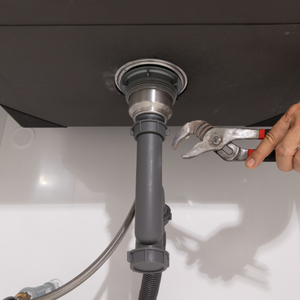
Prevention before listing reduces surprises during buyer inspections. Simple steps can eliminate minor issues that scare buyers.
Diverting water away from your property and reducing moisture in general are great first steps, as these pests are attracted to damp habitats. Additionally, be sure to keep firewood stored away from the building to avoid attracting termites to the structure; don’t allow mulch to cover the bottom of the siding; and make sure wooden parts of the structure are not in contact with the soil.
Moisture control is critical. Fix leaky pipes, improve drainage, and ensure proper ventilation. Termites need moisture to survive. Dry conditions make your property less attractive.
Remove wood-to-soil contact around your foundation. Deck posts, fence sections, and landscaping timbers that touch soil provide termite highways into your home.
Store firewood away from the house. Look for wood-to-ground contact, such as with fences and porches, which can provide easy access for termites. Firewood against the foundation is like putting out a termite welcome mat.
Trim vegetation away from the foundation. Overgrown shrubs and trees create shade and hold moisture against your home. They also make inspections more difficult.
Annual professional inspections catch problems early. Many companies offer inspection-only services for reasonable fees. Finding problems early costs less than discovering them during sale negotiations.
Frequently Asked Questions
How Hard Is It to Sell a House with Termite Damage?
Selling a termite-damaged house in Louisiana is definitely possible, but it requires the right strategy. Since Louisiana has one of the highest termite infestation rates in the country, local buyers are generally more understanding of these issues. The key is honest disclosure and realistic pricing. Many investors and cash buyers actively seek these properties because they understand the repair process and see the potential value.
What Should I Not Fix Before Selling a House?
Don’t attempt major structural termite repairs yourself unless you have professional experience. Improper repairs can create bigger problems and liability issues. Also, avoid cosmetic fixes that aim to hide termite damage, as they create legal disclosure problems. Focus on safety issues and obvious cosmetic damage, but leave major structural work to professionals or let the buyer handle it with proper price adjustments.
Does the Seller Have to Repair Termite Damage?
In Louisiana, sellers are not automatically required to repair termite damage, but they must disclose known damage. The repair obligation depends on your sales contract and negotiations with buyers. Many sellers choose to treat active infestations before listing, as this typically results in higher sale prices than leaving active problems for buyers to discover. However, selling “as-is” with proper disclosure is also a valid option.
What Is a Termite’s Worst Enemy?
Professional pest control treatments are termites’ most effective enemy, but prevention through moisture control is equally important. In Louisiana’s humid climate, controlling moisture around your foundation through proper drainage, ventilation, and eliminating wood-to-soil contact creates conditions that termites can’t survive. Regular professional inspections also catch infestations early when they’re easier and less expensive to treat.
Look, selling a termite-damaged home in Louisiana isn’t easy. But it’s not impossible either. I’ve seen hundreds of these transactions close successfully.
The key is understanding your options and choosing the right strategy for your situation. Whether you repair, treat, or sell as-is, there’s a path forward.
If you want to skip the repairs, we can make you a fair cash offer and close quickly in Louisiana, with no repairs and no treatments. We buy houses for cash in New Orleans, and if you are across the parish line, we buy houses in Metairie too, so you can sell your house fast for cash without waiting on a buyer’s loan.
If you want to talk through your options, we’re here. No pressure, no obligation. Just honest advice from someone who’s been buying Louisiana homes for years.
Helpful Louisiana Blog Articles
- How to Avoid Closing Costs in Louisiana
- How to Sell a Hoarder House in Louisiana
- How to Sell a House in Probate in Louisiana
- Can You Sell A House With Asbestos in Louisiana
- Tax Implications of Selling Home in Louisiana
- How Long Can a Seller Stay in the House After Closing in Louisiana
- How to Sell a House with Mold in Louisiana
- How to Sell House with Water Damage in Louisiana
- Documents Required for Selling Inherited Property in Louisiana
- Best and Worst Months to Sell a House in Louisiana
- Selling Your Louisiana House As Is Without Inspection
- How To Sell Your Louisiana Home With Termite Damage
- How to Sell a House with a Code Violation in Louisiana
- Louisiana Home Selling Closing Costs
- How To Sell Your Fire Damaged House Fast In Louisiana For Cash
- Selling My Parents’ House in Louisiana
- Selling Home With Reverse Mortgage in Louisiana
- Do Open Houses Still Work When Selling a Home in Louisiana?