
By Andrew Rodriguez & Tony Bertucci
Selling a house in Louisiana? Get a written cash offer from Bertucci Investment Group. Five-star rated on Google and BBB A+. Tell us about the house and get your cash offer now.

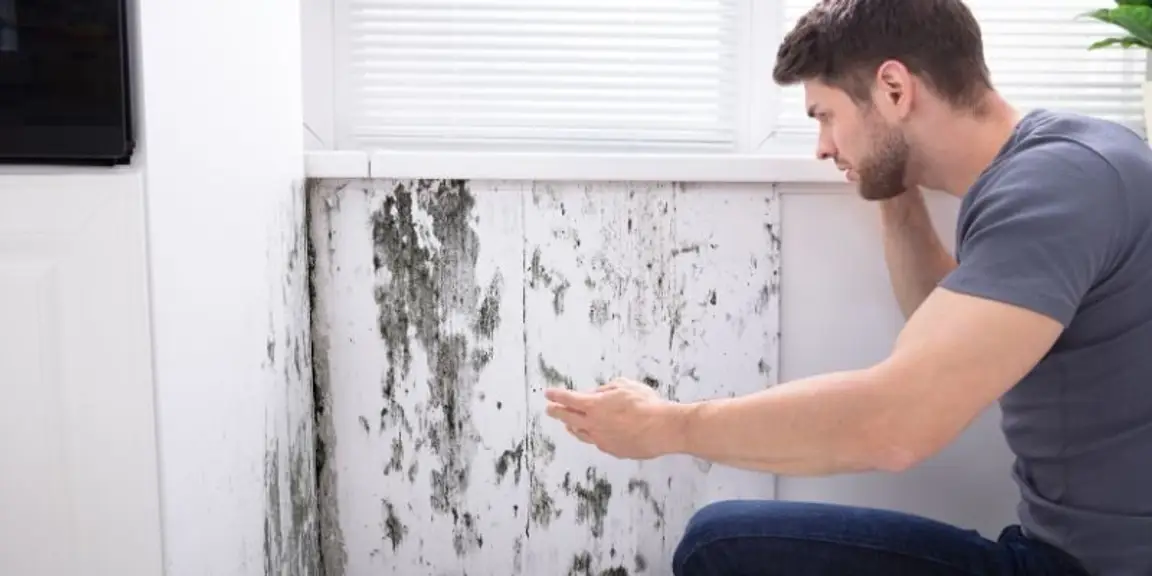
Mold is one of the problems that can stop a house sale cold in South Louisiana. Humidity, roof leaks, plumbing leaks and past flooding all feed it, and once a buyer’s inspector finds it, many buyers back out or ask for remediation before they will close. This guide is for owners who already have a mold problem: a house that took on water in a storm, a rental with a leak that never got fixed, an inherited house that sat closed up, or a fixer upper you can’t afford to repair. It covers what to do first, your choices, what to tell buyers and how selling as-is to a local cash buyer works. Bertucci Investment Group buys houses across Jefferson, Orleans and St. Tammany Parish. This is general information, not legal or tax advice.
Key Highlights
- You can sell a house with mold without paying for remediation first.
- If you can, stop the water that is feeding the mold. Mold keeps spreading as long as moisture gets in.
- Buyers using a loan often back out or ask for remediation when an inspection finds mold.
- Tell buyers what you know about mold, leaks, flooding and past repairs.
- An as-is cash sale skips remediation, showings and repair negotiations. The offer reflects the work the house needs.
Why Mold Is So Common in South Louisiana Houses
Heat and humidity most of the year, heavy rain, storms and older houses with crawl spaces and aging roofs all give mold what it needs: moisture and something to grow on. The most common sources are:
- Roof leaks, especially after storm damage that was patched instead of repaired.
- Plumbing leaks under sinks, behind walls and under floors.
- Flood water, or water that sat in the house after a storm.
- Poor drainage around the house and a damp crawl space.
- A house that sat closed up with the air conditioning off.
Mold often follows a storm, a roof leak that went on too long, or a house that sat empty after an owner passed away. If water damage is part of your story, read our guide to selling a house with water damage in Jefferson Parish and selling a flood-damaged house.
Signs Your House Has a Mold Problem
- A musty smell that doesn’t go away.
- Dark or discolored spots on walls, ceilings, around windows and inside closets.
- Peeling paint, bubbling drywall or warped floors.
- Water stains on ceilings or walls.
- Allergy or breathing complaints that get worse inside the house.
A few spots on a hard surface are very different from mold that has spread inside walls, under floors or through the air conditioning system. If you think the problem is large, a qualified mold inspector can tell you how far it goes. If anyone in the house has health problems, talk to a doctor and stay out of the affected rooms.
Why Mold Makes a Regular Sale Harder
Most buyers on the open market use a loan and hire a home inspector. When the inspection finds mold, buyers often ask for professional remediation, repairs to whatever caused it, a lower price, or they walk away. Meanwhile you keep paying the mortgage, taxes, insurance and utilities on a house you may not even be able to live in.
Insurance can make it harder too. Many homeowner policies limit coverage for mold, so read your policy and talk to your insurance agent before you count on a claim to pay for the work.
Your Options
Remediate, repair and list
You can hire a remediation company, fix the leak or drainage problem, replace the damaged drywall and flooring and then list the house. That may bring a higher price, but you pay for all of it up front, and opening walls often turns up more damage than anyone expected. Keep every invoice and report, because buyers will ask for them.
Fix the source and sell
Some owners stop the leak, clean up small surface areas and sell without a full remediation. That costs less, but inspectors may still flag the mold, and buyers using a loan may still ask for more work or a lower price.
Sell it as-is
A local cash buyer can buy the house as it is, mold, water damage and all. There is no lender appraisal, no inspection repair list, no showings and no agent commissions. The offer reflects the remediation and repairs the buyer will take on. Read more about selling a house as-is in New Orleans and selling a home that needs repairs.
Get your written cash offer
What to Tell Buyers
Selling as-is means you won’t make repairs. It doesn’t mean you can hide problems you know about. Louisiana generally expects sellers to disclose known defects, and mold, leaks and past flooding are exactly what buyers ask about. Share what you know, along with any inspection or remediation reports, insurance claims and repair invoices. An as-is sale usually includes a written waiver of the warranty against hidden defects; your attorney or the title company can explain the paperwork.

Mold in Inherited, Vacant and Rental Houses
Inherited houses. A house that sat closed up while the family sorted out the estate often has mold by the time the heirs can sell. Before the sale, the succession usually has to be handled. See selling an inherited house through a Louisiana succession and selling an inherited house in Jefferson Parish.
Vacant houses. With nobody there to notice a leak, mold can spread for months. See our guide to selling a vacant house.
Rentals. Mold complaints, repair requests and units you can’t rent until the work is done are a common reason landlords decide to sell. See selling your rental when you are tired of being a landlord.
How Selling to Bertucci Investment Group Works
- Tell us about the house. Fill out the short form with the address and a good number to reach you, and tell us what you know about the mold and what caused it.
- We talk and see the property. A local team member calls to learn about the house and your situation, then sets a time to walk through it.
- You get a written cash offer. The offer is based on the house’s condition, the repairs it needs, recent sales of similar homes nearby and our costs to fix it up. We walk you through the numbers. There is no obligation to accept.
- Title work, then closing. A title company checks that the property can transfer, handles any payoffs and you sign at closing.
You don’t make repairs, clean out the house or pay agent commissions, and you can leave behind anything you don’t want to take.
In Summary
Mold doesn’t make a house impossible to sell, but it can make a regular sale slow, costly and uncertain. Stop the water if you can, find out how far the mold goes, keep your records and be honest with buyers. If you don’t want to pay for remediation and repairs, an as-is sale to a local cash buyer is one option. We buy houses across Jefferson Parish, Orleans Parish and St. Tammany Parish. Request your written cash offer or contact us with your questions.
FAQs
Can I sell a house with mold in Louisiana?
Yes. You can remediate and repair it first, or sell it as-is and let the buyer take on the work. Either way, tell buyers what you know.
Do I have to remove mold before selling?
Not if you sell as-is to a cash buyer. Buyers using a loan may ask for remediation before they will close.
Do I have to disclose mold when I sell?
Generally, yes. Disclose mold, leaks and water damage you know about and share your records. Ask your attorney if you are unsure what to include.
Should I test for mold before selling as-is?
It is your choice. A test or inspection tells you how far the problem goes. When you sell to us, the offer already accounts for the remediation and repairs the house needs.
Will mold lower my offer?
The offer reflects the cost of fixing the mold and whatever caused it, so widespread mold usually means a lower number than a house in good shape.
Get your written cash offer